
Introduction to Žižole
Žižole, also known as the jujube fruit or Chinese date, is a small but incredibly nutritious fruit that has been cherished for thousands of years. Its unique taste, combining sweetness with a hint of tanginess, makes it both a delicious snack and a valuable health food. The fruit, which comes from the Ziziphus jujuba tree, is widely cultivated across Asia, Southern Europe, and parts of the Middle East.
In recent years, žižole has started gaining global recognition for its impressive nutritional properties and potential health benefits. This article explores the history, cultivation, nutritional value, and uses of žižole, as well as why it’s becoming a superfood of the modern era.
The History and Origin of Žižole
The history of žižole dates back more than 4,000 years. The fruit originated in China, where it has been used in traditional medicine and cuisine for centuries. It later spread along the Silk Road to the Mediterranean and Middle Eastern regions. Ancient cultures valued žižole not only for its taste but also for its medicinal properties.
In China, it is often referred to as “the fruit of life,” and in some parts of Europe—especially in the Adriatic region—it is a symbol of health and longevity. The tree is hardy and adaptable, able to thrive in dry and rocky conditions, which has helped it spread widely.
In Dalmatia, Croatia, and other Mediterranean regions, žižole has become an integral part of local heritage. It’s used in making traditional liquors, jams, and desserts, especially during autumn festivals when the fruit is ripe.
The Appearance and Taste of Žižole
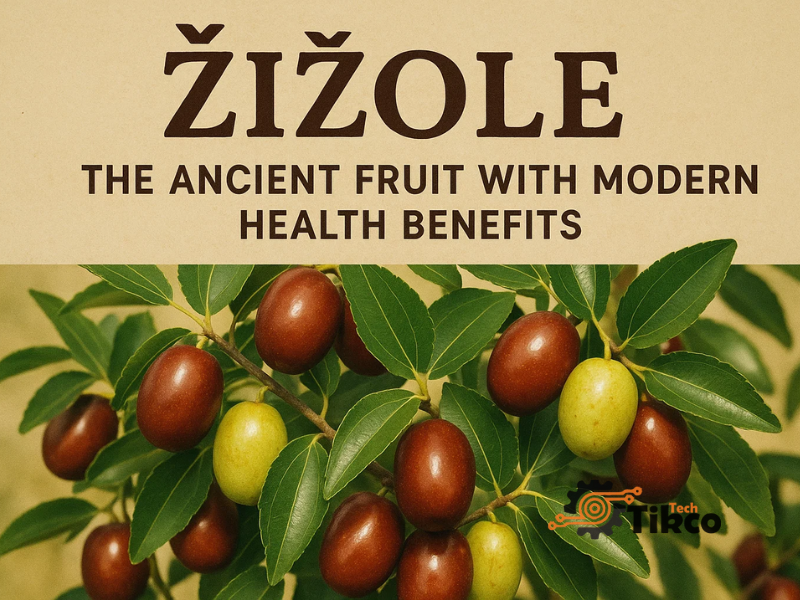
The žižole fruit is small, oval, and about the size of an olive or small plum. When unripe, it is green and has a crisp texture similar to that of an apple. As it ripens, the skin turns brownish-red, and the flesh becomes softer and sweeter, resembling a date in both flavor and texture.
Depending on the variety, žižole can be consumed fresh, dried, or even candied. Dried žižole fruits have a wrinkled skin and a chewy consistency, making them perfect for snacking or adding to tea blends and desserts. The taste varies from mildly tart when fresh to rich and sweet when dried.
Nutritional Composition of Žižole
One of the main reasons žižole is gaining global attention is its impressive nutritional profile. It is a powerhouse of vitamins, minerals, and antioxidants.
Key Nutrients Found in Žižole:
- Vitamin C: Žižole contains higher amounts of vitamin C than most citrus fruits, making it excellent for boosting immunity and skin health.
- Vitamin B Complex: It provides B vitamins such as B1 (thiamine), B2 (riboflavin), and B6, which help in metabolism and energy production.
- Minerals: Žižole is rich in potassium, calcium, phosphorus, and iron—essential for maintaining bone health and proper muscle function.
- Antioxidants: The fruit contains flavonoids, polyphenols, and triterpenic acids, which protect the body from oxidative stress.
- Fiber: Its high fiber content aids digestion and supports gut health.
With all these nutrients, žižole can be considered a natural multivitamin that supports overall wellness.
Health Benefits of Žižole
1. Boosts Immune System
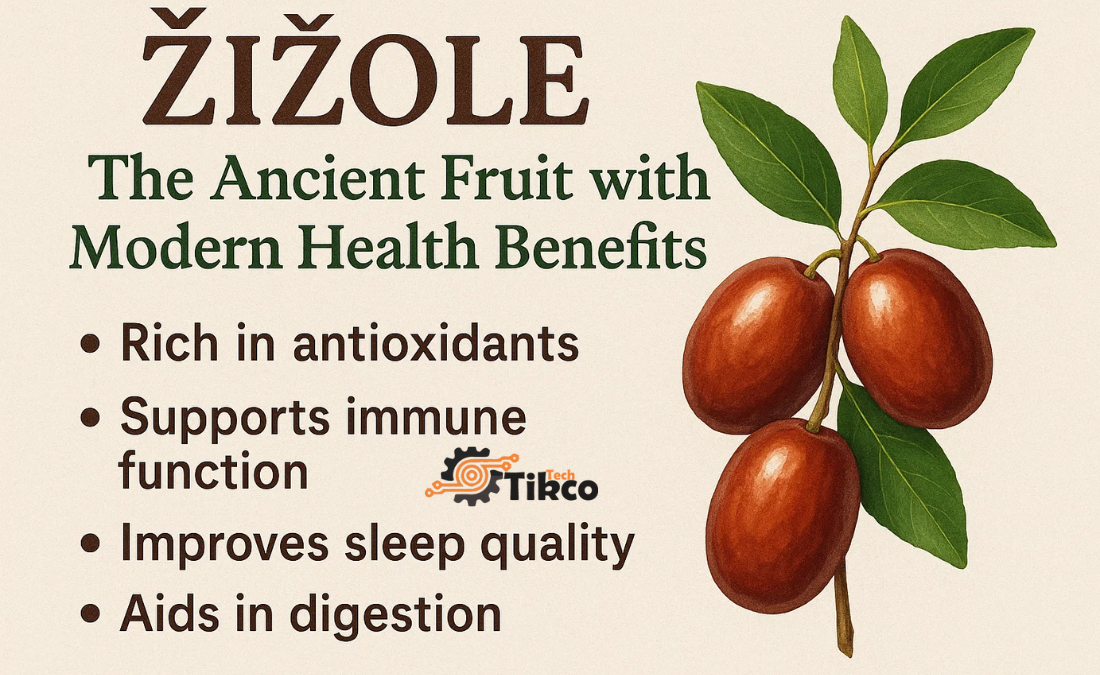
The rich vitamin C content in žižole strengthens the immune system, helping the body fight infections and diseases more effectively. Regular consumption during flu season can reduce the risk of catching colds.
2. Improves Sleep Quality
In traditional Chinese medicine, žižole is known for its calming properties. It contains natural compounds like saponins and flavonoids, which have a soothing effect on the nervous system. Drinking jujube tea before bed can help alleviate insomnia and improve sleep quality.
3. Supports Digestive Health
The dietary fiber in žižole promotes healthy digestion by preventing constipation and maintaining a balanced gut microbiome. The fruit’s mild laxative effect also aids in detoxifying the digestive tract.
4. Promotes Healthy Skin
Thanks to its antioxidants and vitamin C, žižole helps combat free radicals that cause premature aging. It enhances collagen production, making the skin firmer and more youthful.
5. Enhances Brain Function
Studies suggest that the antioxidants in žižole improve memory and cognitive function. Its natural compounds protect brain cells from damage and reduce stress-related cognitive decline.
6. Improves Blood Circulation
Žižole’s iron content helps increase red blood cell production, which enhances oxygen flow throughout the body. This is especially beneficial for individuals suffering from anemia or chronic fatigue.
7. Supports Heart Health
The potassium and antioxidants in žižole help regulate blood pressure and lower bad cholesterol levels, reducing the risk of heart diseases.
Culinary Uses of Žižole
Žižole is not just a health food—it’s also a versatile ingredient in the kitchen. Here are some popular ways to enjoy it:
- Fresh Snack: Simply wash and eat fresh žižole like apples.
- Dried Fruit: Enjoy it as a sweet snack or mix it with nuts and seeds.
- Tea: Boil dried žižole with ginger or honey for a soothing herbal tea.
- Jam and Jelly: Cook ripe žižole with sugar and lemon juice for a delicious homemade spread.
- Liquor: In the Mediterranean, žižole brandy (known as “rakija od žižula”) is a traditional drink made by fermenting the fruit.
- Desserts: Use žižole in cakes, puddings, or as a topping for yogurt and cereal.
This versatility makes žižole a valuable addition to both sweet and savory dishes.
Žižole in Traditional Medicine
In many cultures, žižole has been used as a natural remedy for centuries. Traditional Chinese Medicine (TCM) recognizes it as a powerful tonic that nourishes the blood, calms the mind, and strengthens the body.
Common traditional uses include:
- Treating anxiety and insomnia
- Alleviating fatigue and weakness
- Improving digestion and appetite
- Relieving coughs and sore throats
Even today, žižole extracts are used in herbal supplements, teas, and tonics for promoting overall wellness.
Cultivation and Harvesting of Žižole
The žižole tree is a hardy, drought-resistant species that thrives in warm climates. It can grow in poor soils where other fruit trees may struggle. The trees bloom in spring with small yellow-green flowers, and the fruits ripen by late summer or early autumn.
Harvesting is typically done by hand to avoid damaging the delicate fruits. In regions like Dalmatia or southern Italy, žižole festivals celebrate the harvest season, where locals gather to make jams, syrups, and alcoholic beverages from the fruit.
The tree also serves an ecological role, providing shade and preventing soil erosion in dry areas.
Žižole in Modern Wellness Trends
With the growing global interest in superfoods, žižole has found a place among popular natural health products. Its use in teas, supplements, and snacks has increased significantly. Health enthusiasts appreciate its balance of taste and nutrition.
In beauty and skincare industries, žižole extract is being incorporated into anti-aging creams and serums due to its antioxidant properties. The fruit’s rising popularity highlights the blending of ancient wisdom with modern wellness science.
Cultural Significance of Žižole
Beyond its health benefits, žižole holds cultural and symbolic value. In Mediterranean and Asian cultures, it often symbolizes love, prosperity, and longevity. The tree itself is admired for its resilience—it can survive harsh conditions, representing endurance and strength.
In many households, žižole fruits are dried and preserved as a sign of abundance, while the liquor made from them is shared during celebrations and family gatherings.
Conclusion: Why Žižole Deserves a Place in Your Diet
In summary, žižole is more than just a fruit—it’s a timeless gift of nature packed with nutrients, flavor, and cultural heritage. From its ancient medicinal uses to its modern applications in food and wellness, žižole continues to prove its value as a versatile superfood.
Whether you enjoy it fresh, dried, or brewed into tea, žižole supports your body and mind with essential vitamins, minerals, and antioxidants. Its ability to boost immunity, enhance sleep, and promote overall health makes it an excellent addition to your daily diet.
By rediscovering this ancient fruit, we not only embrace better nutrition but also connect with centuries of tradition and natural healing. So, next time you see žižole, remember that this humble fruit carries within it a rich story of health, culture, and vitality.