
In today’s fast-evolving digital and business environment, the term Ingebim has started gaining attention. While it may seem like a new or unique word, Ingebim represents innovation, digital transformation, and integrated solutions. Whether you are an entrepreneur, a business analyst, or a curious learner, understanding Ingebim can help you stay updated with modern technologies and management practices.
This article explores the meaning, functions, features, and importance of Ingebim, providing a detailed analysis of how it influences various industries and what makes it stand out as a modern solution.
What Is Ingebim?
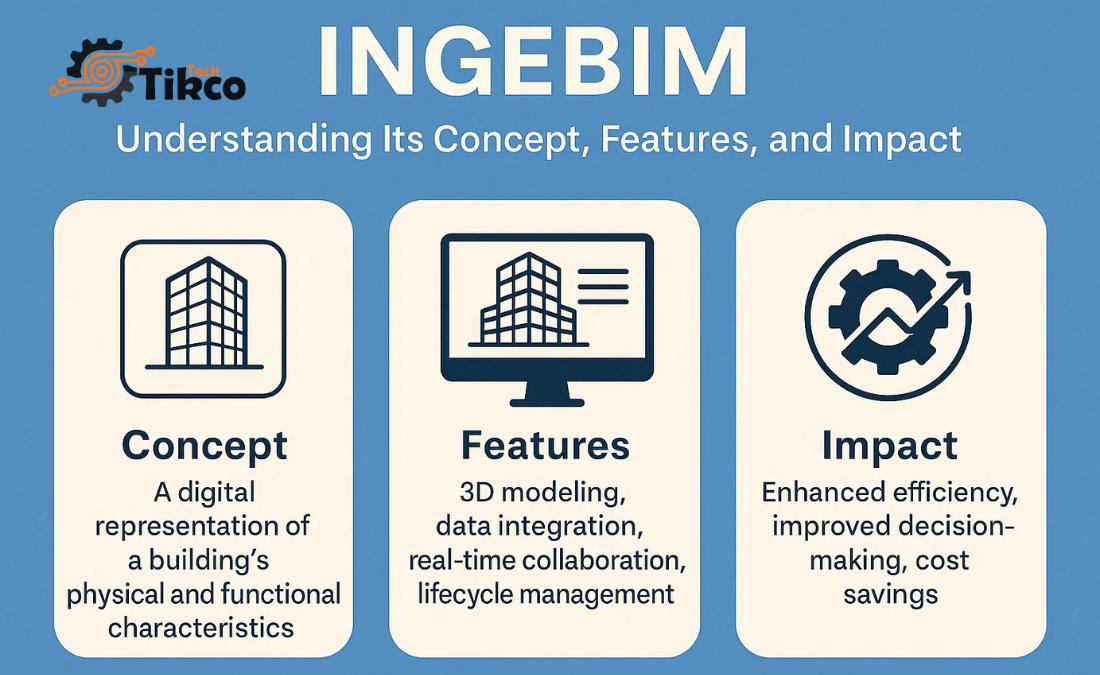
The term Ingebim is often associated with advanced digital systems or integrated building information models. It can represent innovative integration between information management and technology — bringing together digital tools, intelligent design, and efficient data use to improve workflows.
In simple terms, Ingebim can be described as a comprehensive approach to integrating information, technology, and business models for achieving smarter, data-driven results. It combines innovation, management, and digital processes under one umbrella.
Origin and Concept Behind Ingebim
The concept of Ingebim stems from the growing need for digital integration across industries. Traditional methods of managing data, communication, and design are no longer sufficient. Businesses and organizations now demand connected ecosystems that allow for seamless collaboration, data sharing, and decision-making.
Ingebim bridges the gap between physical operations and digital transformation by using advanced software systems, intelligent design principles, and real-time data analysis. The goal is to improve productivity, efficiency, and collaboration among different stakeholders.
Core Principles of Ingebim
To understand Ingebim deeply, it’s essential to explore its core principles. These principles guide how it is implemented and the benefits it offers:
- Integration: The main idea behind Ingebim is to integrate multiple systems and departments. It ensures that every component of a process communicates effectively with the others.
- Efficiency: By reducing duplication and increasing automation, Ingebim improves workflow efficiency.
- Innovation: The “Inge” part symbolizes innovation — constantly seeking smarter, better, and more creative approaches.
- Data Management: Centralizing and managing data securely is key to Ingebim’s success.
- Sustainability: Ingebim promotes eco-friendly and resource-efficient operations by optimizing digital tools and reducing waste.
Ingebim in the Context of Digital Transformation
In today’s digital era, transformation is no longer optional — it’s a necessity. Ingebim plays a critical role in this transformation by offering integrated solutions that connect technology with business strategy.
For example, companies adopting Ingebim frameworks can automate processes, improve decision-making, and increase transparency across teams. This approach not only saves time and money but also boosts innovation.
Moreover, Ingebim encourages organizations to move toward smart technologies, cloud-based solutions, and AI-driven insights, making them more competitive in the global market.
Key Features of Ingebim
Understanding the key features of Ingebim helps illustrate why it is gaining popularity in various sectors. Some of the most notable features include:
- Centralized Data Platform: Ingebim uses a single, integrated system to store, manage, and access data securely.
- Automation and AI Integration: Artificial intelligence plays a major role in automating repetitive tasks and predicting outcomes.
- Collaborative Tools: Teams can work together in real-time, improving communication and reducing misunderstandings.
- Scalability: Ingebim systems are designed to grow with your business.
- Cloud Accessibility: Data and applications are available anytime, anywhere through cloud technology.
- Security and Compliance: Ingebim prioritizes data protection and complies with international security standards.
Applications of Ingebim Across Industries
The versatility of Ingebim allows it to be applied in multiple industries. Some of the most prominent examples include:
1. Construction and Architecture
In the building and construction sector, Ingebim often refers to “Integrated Building Information Modeling.” This approach helps architects, engineers, and contractors collaborate effectively. It enhances project visualization, cost estimation, and real-time monitoring.
2. Manufacturing
In manufacturing, Ingebim can streamline operations by connecting production systems, logistics, and supply chains. It reduces downtime and enhances efficiency.
3. Healthcare
Hospitals and healthcare systems can use Ingebim to manage patient data, automate administrative processes, and ensure accuracy in medical records.
4. Business Management
Corporate organizations adopt Ingebim to manage workflows, data analytics, and internal communication. It enhances decision-making and boosts performance metrics.
5. Education
Educational institutions can benefit from Ingebim through centralized data systems that track student progress, performance, and administrative tasks.
Benefits of Implementing Ingebim
The implementation of Ingebim offers several advantages for businesses and organizations, including:
- Improved Collaboration: Teams across departments or locations can easily work together on shared platforms.
- Cost Reduction: Streamlined workflows and reduced redundancy lower overall operational costs.
- Enhanced Accuracy: With automated data processing, errors are minimized.
- Better Decision-Making: Real-time analytics provide valuable insights for management and planning.
- Scalability and Flexibility: Ingebim adapts to the size and scope of any organization.
- Sustainability: Efficient resource usage leads to more eco-friendly operations.
Challenges Faced by Ingebim Implementation
Despite its benefits, Ingebim faces some challenges that organizations must address:
- High Initial Costs: Implementing advanced integrated systems can be expensive.
- Technical Training: Employees may require training to adapt to new technologies.
- Data Privacy Issues: With large amounts of data comes the responsibility of ensuring cybersecurity.
- Resistance to Change: Some organizations may struggle with adopting digital-first approaches.
However, with proper planning and expert guidance, these challenges can be effectively managed.
The Future of Ingebim
The future of Ingebim looks promising. As industries move toward AI, Internet of Things (IoT), and automation, Ingebim will become even more significant.
Future developments may include:
- Smarter AI algorithms for decision-making.
- Fully automated design and construction tools.
- Integration with metaverse or digital twins for real-time simulation.
- Greater focus on sustainability and green technology.
In short, Ingebim will continue evolving as a key element of digital infrastructure and intelligent management systems.
Why Businesses Should Invest in Ingebim
Businesses that want to remain competitive in the modern market should seriously consider Ingebim integration. The system’s ability to merge data, technology, and human creativity makes it a valuable asset.
Whether used in architecture, engineering, education, or corporate management, Ingebim enables smarter decisions, faster operations, and stronger digital resilience. The return on investment is high, as companies experience reduced costs, better efficiency, and improved customer satisfaction.
Conclusion: The Power of Ingebim
In conclusion, Ingebim represents the future of digital integration and intelligent systems. It is more than just a technology—it’s a philosophy of innovation, connecting people, processes, and platforms in a unified ecosystem.
As industries continue to embrace digital transformation, Ingebim will play a leading role in shaping efficient, data-driven, and sustainable operations worldwide. Embracing this system today means preparing for a smarter and more connected tomorrow.
Ultimately, Ingebim stands as a symbol of how technology and human intelligence can merge to create powerful, innovative solutions for the modern world.