
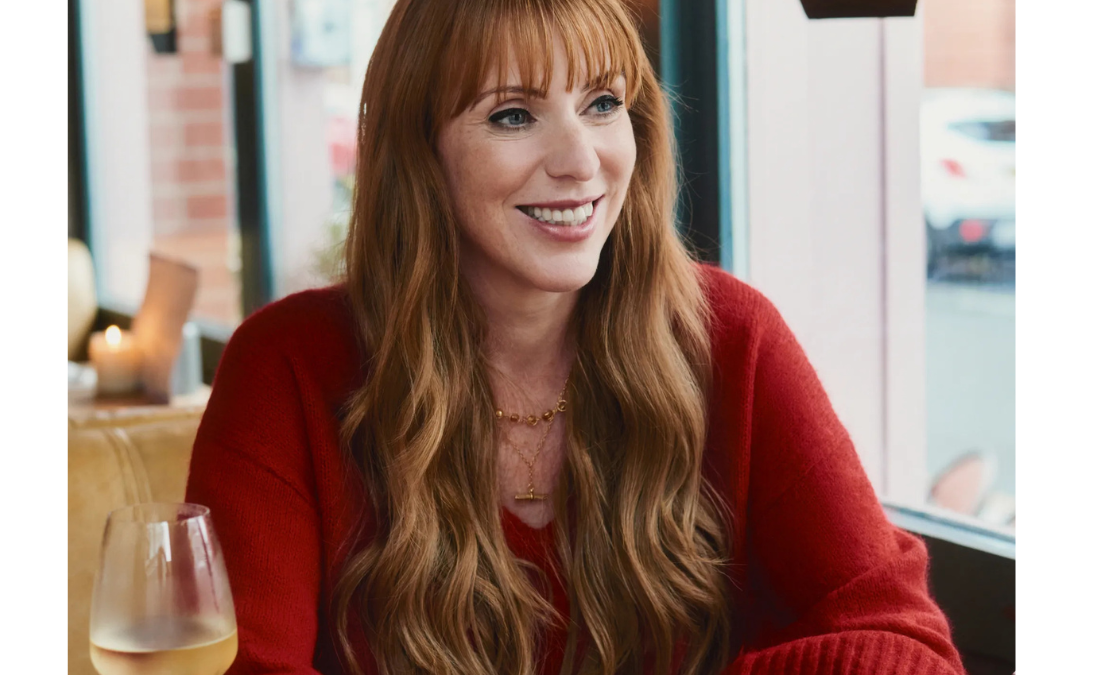
The phrase “Angela Rayner son disabled” has become a central topic of public conversation, largely due to the intersection of Angela Rayner’s personal life, her responsibilities as a mother, and her role as one of the most powerful political figures in the United Kingdom. Her son’s disability, the creation of a trust to support him, and questions about property and tax arrangements have all come under intense scrutiny. This article explores the full context surrounding this situation, from Rayner’s background to the ethical and political implications of the controversy.
Angela Rayner Son Disabled – Early Life and Family Background
Angela Rayner was born and raised in Stockport, Greater Manchester, in a working-class household. Her early life was marked by financial struggle and emotional hardship, including her mother’s severe mental-health challenges. These experiences deeply shaped Rayner’s sense of responsibility and her understanding of social inequality.
At the age of 16, Rayner became pregnant with her first child. Becoming a teenage mother had a profound impact on her life, pushing her into adulthood earlier than most. Later, she married Mark Rayner, with whom she had two additional children. Throughout her rise from a care worker to trade-union representative and ultimately Deputy Prime Minister, Rayner has often spoken about juggling political life with her responsibilities as a mother.
Angela Rayner Son Disabled – Who Is Her Disabled Son?
The discussion of “Angela Rayner son disabled” specifically refers to her middle child, whose name is often mentioned in the context of his medical challenges. He was born extremely prematurely, at just 23 weeks, an age at which survival is rare and typically accompanied by significant long-term complications.
Rayner has described how her son “beat all the odds” to survive, but his early birth left him with lifelong disabilities. Among these are severe visual impairment and learning difficulties, and he requires substantial support throughout daily life. His complex needs have shaped many of the decisions Rayner has made regarding housing, care arrangements, and family stability.
Her identity as a mother of a disabled child has also shaped her political identity. Rayner has frequently spoken about how navigating the healthcare and education systems taught her firsthand about the gaps in public support for families raising children with disabilities.
Angela Rayner Son Disabled – The Establishment of a Care Trust
A major component of the story surrounding “Angela Rayner son disabled” involves the establishment of a legal trust in her son’s name. This trust was created after a long legal process that awarded compensation related to circumstances around his premature birth. Such compensation is typically intended to ensure that a disabled individual has access to lifelong financial resources, including care, therapy, housing, and accessibility support.
Because the money legally belongs to her son and is meant for his benefit, a court-supervised trust was put in place. Rayner has said that the process was “deeply personal and distressing,” and that navigating a complex legal structure while also coping with the emotional weight of her son’s ongoing needs was extremely challenging.
The trust holds financial assets and has strict rules about how the money can be used. It is managed separately from Rayner’s personal finances, with lawyers and trustees overseeing how the funds are applied.
Angela Rayner Son Disabled – Housing, Property, and Family Stability
One of the most complex aspects in the broader discussion relates to how Rayner arranged housing for her family—particularly considering her son’s disability. For disabled children requiring long-term support, having a stable and properly adapted home environment is essential. To provide this stability, Rayner and her ex-husband created a “nesting” arrangement when they separated: the children remained living in the family home, and the parents alternated staying there to maintain continuity.
To support this, part of the family property was transferred into the trust set up for her disabled son. Rayner sold a share of the home to the trust, increasing the trust’s ownership of the property. Her stated intention was to ensure that the home—already modified and suitable for her son’s disability needs—would remain under the trust’s protection and available for him long into the future.
This decision became controversial later when it was connected to her purchase of another property, raising questions about financial motivations and tax obligations. Nonetheless, Rayner has maintained that the primary purpose of transferring the home into the trust was to safeguard her son’s long-term care.
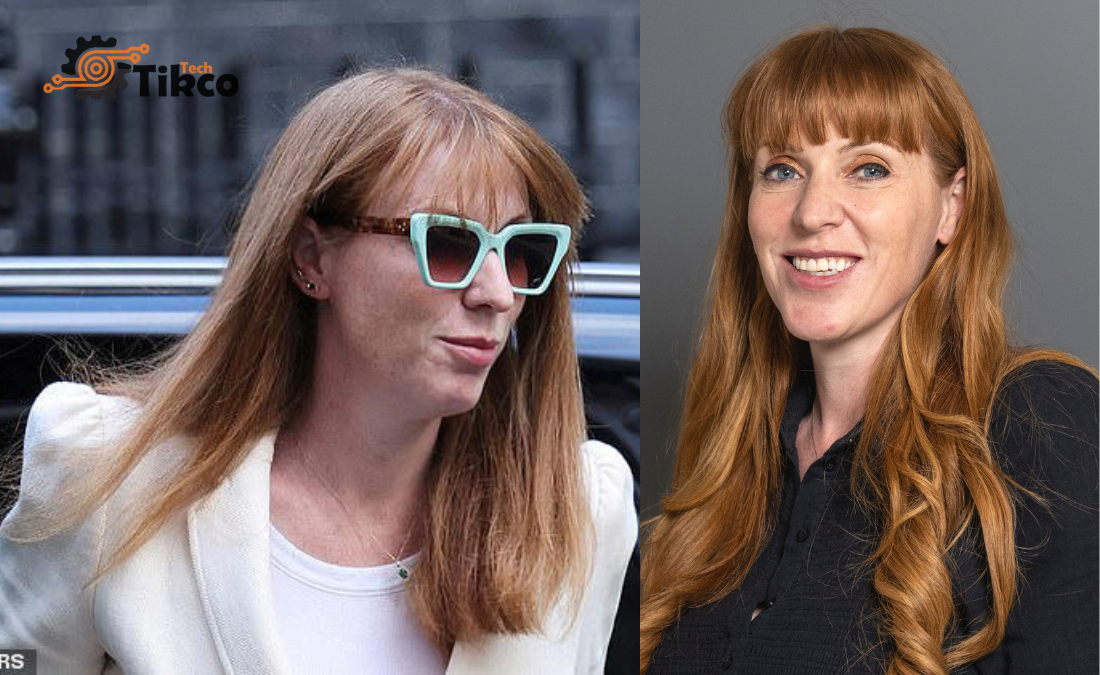
Angela Rayner Son Disabled – The Stamp Duty and Tax Controversy
The public controversy tied to “Angela Rayner son disabled” centers on the purchase of a later property and the tax implications of the trust. Rayner purchased a separate flat, and because she had already sold part of her previous home to the trust, questions were raised about how much stamp duty she owed on the new property.
Stamp duty rules in the UK are complex, especially when trusts are involved. Because the trust held a significant interest in her former home, tax rules may have treated Rayner as effectively owning two properties at the time of her new purchase. That situation typically triggers a higher rate of stamp duty.
When the issue came to light, Rayner acknowledged that she may have underpaid stamp duty—by an amount suggested to be significant. She stated publicly that the situation was an unintentional mistake arising from the complexity of trust law and that she sought legal advice to rectify the issue.
She also referred herself to the independent adviser on ministerial interests, signaling a willingness to submit to external scrutiny and resolve the matter transparently.
Angela Rayner Son Disabled – Public Reaction and Ethical Questions
Public reaction to the controversy has been sharply divided. Some critics argue that a trust established for a disabled child’s future care should not be leveraged in ways that benefit a parent personally, even indirectly. They question whether Rayner’s property decisions placed personal financial interests above the intended purpose of the trust.
On the other hand, many supporters argue that Rayner acted out of a genuine desire to secure a stable, long-term home for her disabled son. They emphasize that the creation of the trust and the property transfer were legal, court-approved, and aligned with the long-term welfare of the trust’s beneficiary.
The debate highlights broader societal tensions, including:
- how families of disabled children balance financial responsibilities
- how trust law intersects with personal housing needs
- how political figures must meet higher standards of transparency
- how disability compensation should be used or safeguarded
Ultimately, the ethical questions are complex and cannot be reduced to simple judgments.
Angela Rayner Son Disabled – Broader Social and Political Significance
The story resonates far beyond Rayner’s personal circumstances. It raises larger questions about:
1. Support for Disabled Individuals
Families of disabled children often face overwhelming costs, emotional challenges, and bureaucratic obstacles. Rayner’s experience—navigating the care system, legal system, and financial system—reflects the burdens many families face, albeit without the added weight of national political attention.
2. Transparency and Public Trust
As Deputy Prime Minister, Rayner’s actions are—and must be—held to high ethical standards. Even unintended errors in tax arrangements fuel public debate about accountability in government.
3. How Disability Is Discussed
The phrase “Angela Rayner son disabled” can risk reducing a real human being to a political talking point. It’s important to remember that behind political headlines is a young person with real needs, challenges, and dignity.
Conclusion – Angela Rayner Son Disabled
The issue encapsulated in the phrase “Angela Rayner son disabled” is a deeply personal and politically sensitive matter. It revolves around Angela Rayner’s disabled son, the trust established to support his lifelong needs, and the financial arrangements that followed. While criticism has focused on questions of tax obligations and ethical considerations, Rayner maintains that her actions were driven by concern for her son’s security and well-being.
The controversy highlights the challenges faced by families raising disabled children, the complexities of trust law, and the heightened scrutiny placed on public officials. It also serves as a reminder that disability-related care decisions are rarely simple, often involving emotional, financial, and legal dimensions.