What Is a Germinatoire? – Understanding the Core Definition
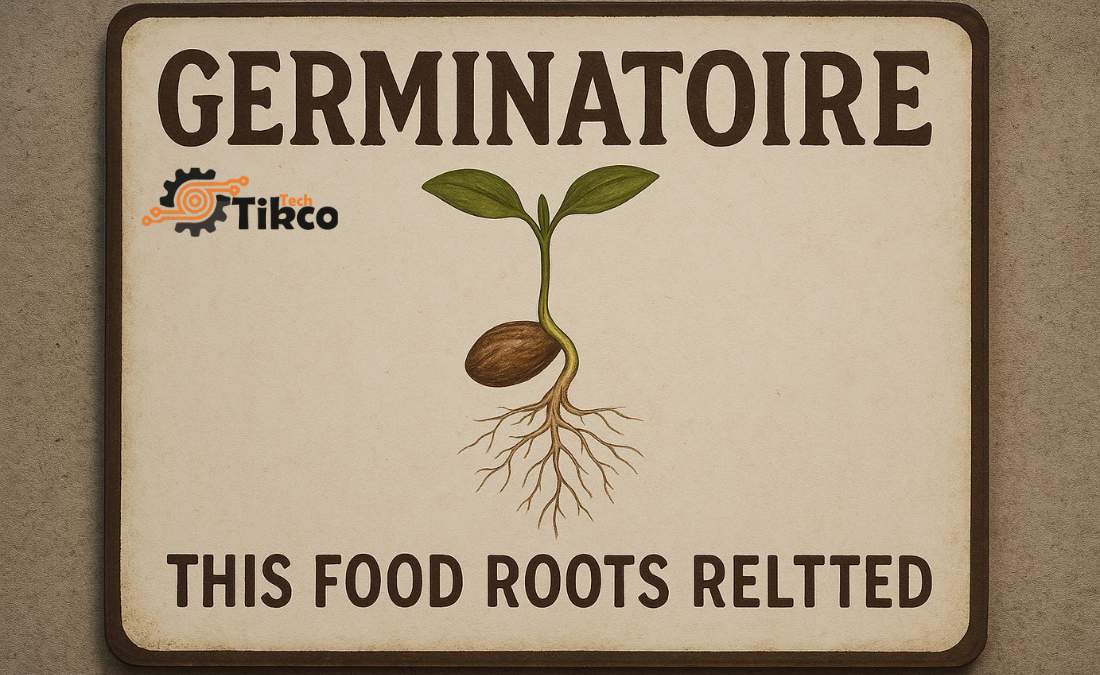
A germinatoire is a specialized environment or chamber designed to help seeds begin their growth cycle under controlled conditions. The word comes from French, meaning “related to germination.” Whether in agriculture, home gardening, culinary arts, or sustainability practices, a germinatoire serves as the first stage in the journey from seed to mature plant. It ensures seeds sprout quickly, safely, and strongly by managing essential factors like moisture, temperature, soil, and light.
In simplest terms, a germinatoire is:
- A germination chamber
- A seed-sprouting environment
- A protected space for the earliest phase of plant life
This method has become particularly important as farmers, chefs, and gardeners seek healthier plants, better yields, and more nutritious foods.
Germinatoire in Agriculture – Why It Matters to Farmers
Agriculture is one of the fields where the germinatoire has the highest impact. Germination is extremely sensitive; many seeds fail outdoors due to poor soil quality, pests, fungi, or weather changes. By using a germinatoire, farmers create ideal conditions for early plant life, improving success rates dramatically.
Key Agricultural Benefits
1. Protection from Environmental Risks
A germinatoire shields seeds from harsh conditions like:
- Heat waves
- Flooding
- Soil-borne diseases
- Pests and insects
This early protection leads to healthier and more resilient seedlings.
2. Ideal Climate Conditions
Seeds require specific humidity and warmth to sprout. A germinatoire maintains:
- Stable humidity
- Constant warm temperature
- Gentle light exposure
These factors support quick and uniform germination.
3. Stronger Seedlings for Higher Yields
Plants grown in a germinatoire often have stronger:
- Root systems
- Stem structure
- Nutrient absorption
This results in greater crop production once transplanted into fields or gardens.
Germinatoire in Culinary Culture – Connecting Food, Sprouts, and Roots
You mentioned “food roots,” and yes—germinatoires are deeply connected to food culture, especially with the rise of organic and health-focused eating. Many food lovers now use germinatoires to sprout seeds and create nutrient-dense foods used by chefs around the world.
Foods Commonly Sprouted in a Germinatoire
- Chickpeas
- Lentils
- Alfalfa
- Broccoli seeds
- Bean sprouts
- Wheat and barley
- Radish seeds
These sprouts are:
- Rich in enzymes
- Easier to digest
- Packed with vitamins
- Flavorful and fresh
Many root-based vegetables also benefit from germination techniques. Early sprouting helps:
- Enhance sweetness
- Improve nutrient concentration
- Strengthen root development
This connection between germination and culinary culture has given the germinatoire a modern revival.
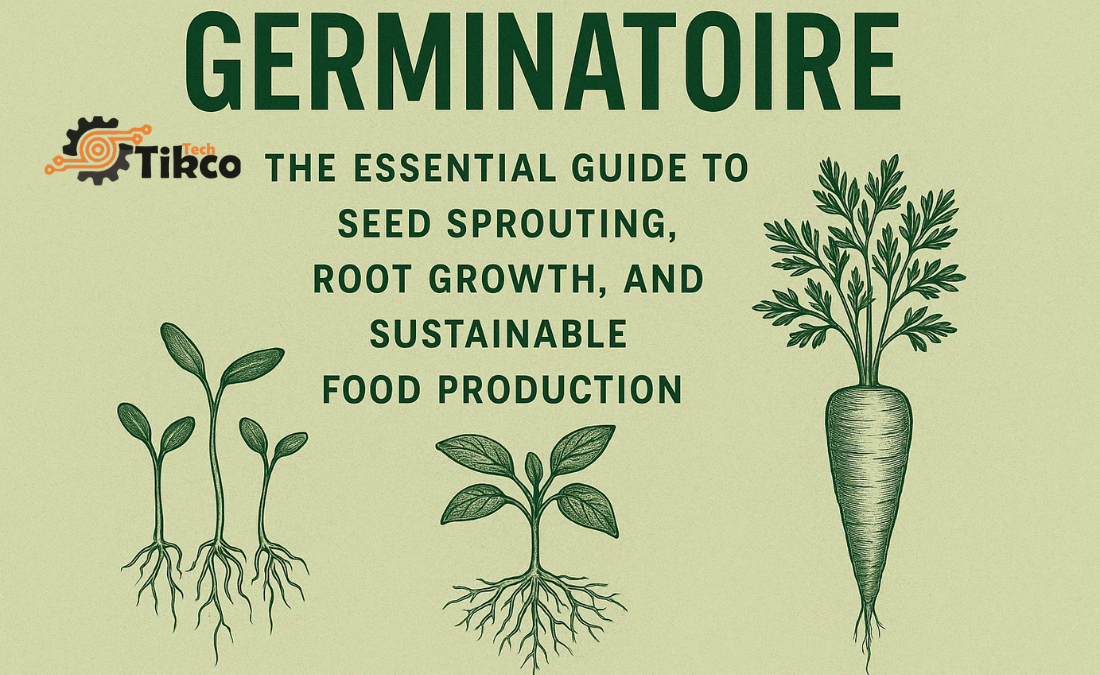
How a Germinatoire Works – Step-by-Step Germination Process
Understanding how germination works helps show why a germinatoire is so important.
1. Seed Preparation
Seeds are cleaned and selected for size, quality, and viability.
2. Moisture Application
Seeds absorb water and begin waking from their dormant state. Germinatoires use misting systems or humid trays to maintain the right water levels.
3. Temperature Control
Most seeds germinate between 20–28°C. A germinatoire ensures constant warmth, speeding up sprout development.
4. Low or No Light Phase
Some seeds sprout best in darkness during the initial stage.
5. Introduction of Light
Once roots and tiny shoots form, controlled lighting helps strengthen the plant’s early leaves.
6. Ventilation and Airflow
Air circulation reduces mold and encourages sturdy plant structure.
7. Early Root Growth
The germinatoire focuses on strong root development, which helps the plant survive future transplantation.
Germinatoire as a Tool for Sustainability and Green Living
With the world moving toward eco-friendly lifestyles, the germinatoire has become popular not just in farms, but also in homes, restaurants, and urban communities.
1. Saves Water
Sprouting seeds in a germinatoire uses far less water than traditional farming.
2. Works in Small Spaces
Perfect for:
- Apartments
- Rooftops
- Indoor gardens
- Small kitchens
Even limited spaces can produce large quantities of sprouts.
3. Helps Food-Insecure Areas
Germinatoires offer reliable food production even in poor soil or dry climates.
4. Supports Local Food Movements
Restaurants and families can grow fresh ingredients on their own, reducing dependence on commercial supply chains.
5. Works with Technology
Modern germinatoires include:
- Digital timers
- LED grow lights
- Humidity sensors
- Automation systems
This makes sprouting easier, faster, and more efficient.
Germinatoires for Home Gardening – Grow Fresh Food Indoors
Anyone can create a home germinatoire using simple equipment like:
- Sprouting jars
- Plastic trays
- Humidity domes
- Warm lights
- Spray bottles
- Organic soil or coconut coir
Home gardeners use germinatoires to grow:
- Microgreens
- Sprouts
- Lettuce
- Tomatoes and peppers
- Herbs
- Fresh salad greens
This allows households to enjoy pesticide-free, nutrient-rich produce all year.
Historical and Cultural Origins of the Germinatoire Concept
While the word “germinatoire” is French, the concept is ancient. Controlled sprouting practices were used by:
- Ancient Egyptians storing grains
- Chinese and Japanese sprout growers
- Indigenous farming communities
- Medieval herbal gardens in Europe
The French horticultural tradition refined the term and formalized the system, but cultures worldwide have practiced germination for thousands of years.
Why the Germinatoire Is Becoming More Important Today
Several modern challenges have increased global interest in germinatoires:
1. Climate Change
Unstable weather threatens crops, making controlled sprouting a safer method.
2. Urban Population Growth
More people are living in cities with limited gardening space.
3. Rising Health Awareness
Sprouted foods are considered superfoods due to their nutritional value.
4. Focus on Food Security
Countries are searching for reliable ways to grow food locally.
5. Advancements in Technology
Smart germination chambers make sprouting almost effortless.
Conclusion – The Germinatoire as a Symbol of Growth, Sustainability, and the Future of Food
The germinatoire is far more than a simple sprouting chamber—it is a powerful symbol of growth, sustainability, and modern food innovation. From agriculture and culinary arts to home gardening and environmental movements, the germinatoire supports seed sprouting, strong root development, and healthier plants. Its controlled environment empowers people to grow food in small spaces, deal with climate challenges, enhance nutrition, and reduce waste.
As society moves toward healthier eating and eco-friendly solutions, the germinatoire stands out as an essential tool for the future. Whether in a professional greenhouse or a small apartment kitchen, the germinatoire helps transform simple seeds into fresh, nourishing life—proving that sustainable food production can begin with just a single sprout.