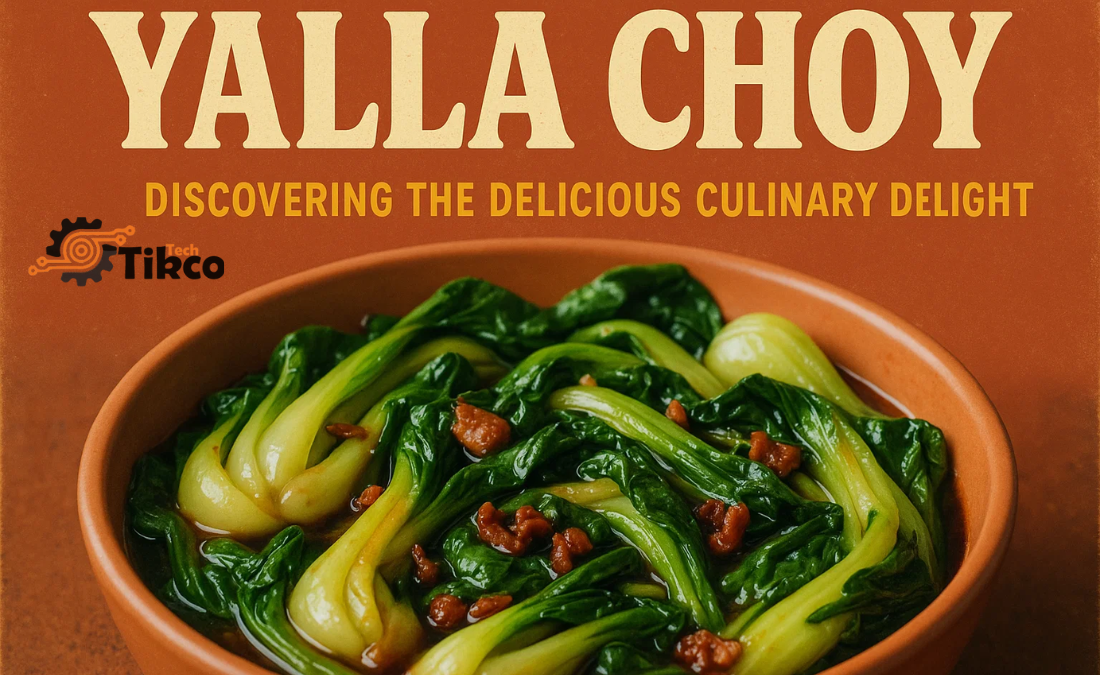
Food is much more than just nourishment; it is a window into culture, tradition, and shared experiences. One dish that has been generating curiosity and admiration among food enthusiasts is Yalla Choy. Known for its aromatic flavors, vibrant ingredients, and cultural roots, Yalla Choy is a culinary delight that blends tradition with modern tastes. In this article, we explore the history, ingredients, preparation, and cultural significance of Yalla Choy while examining why it has become increasingly popular around the world.
Yalla Choy Origin: Tracing the Culinary Roots
The first step in understanding Yalla Choy is exploring its origins. The term itself gives some clues:
- “Yalla” is commonly used in Arabic-speaking regions, meaning “let’s go” or “hurry up”, suggesting energy and invitation.
- “Choy” translates to tea in several Central Asian languages, particularly in regions like Uzbekistan, Tajikistan, and Kazakhstan.
These linguistic hints point toward Middle Eastern or Central Asian roots, suggesting that Yalla Choy may have originally been a dish served alongside tea or enjoyed as part of communal gatherings. Historically, it likely emerged as a flavorful, simple, and hearty meal that emphasized fresh, local ingredients and aromatic spices. Over time, it evolved into a celebrated dish enjoyed in homes, cafes, and festive occasions.
Yalla Choy Ingredients: Fresh, Vibrant, and Flavorful
One of the hallmarks of Yalla Choy is its fresh and flavorful ingredients. While regional variations exist, some of the core components include:
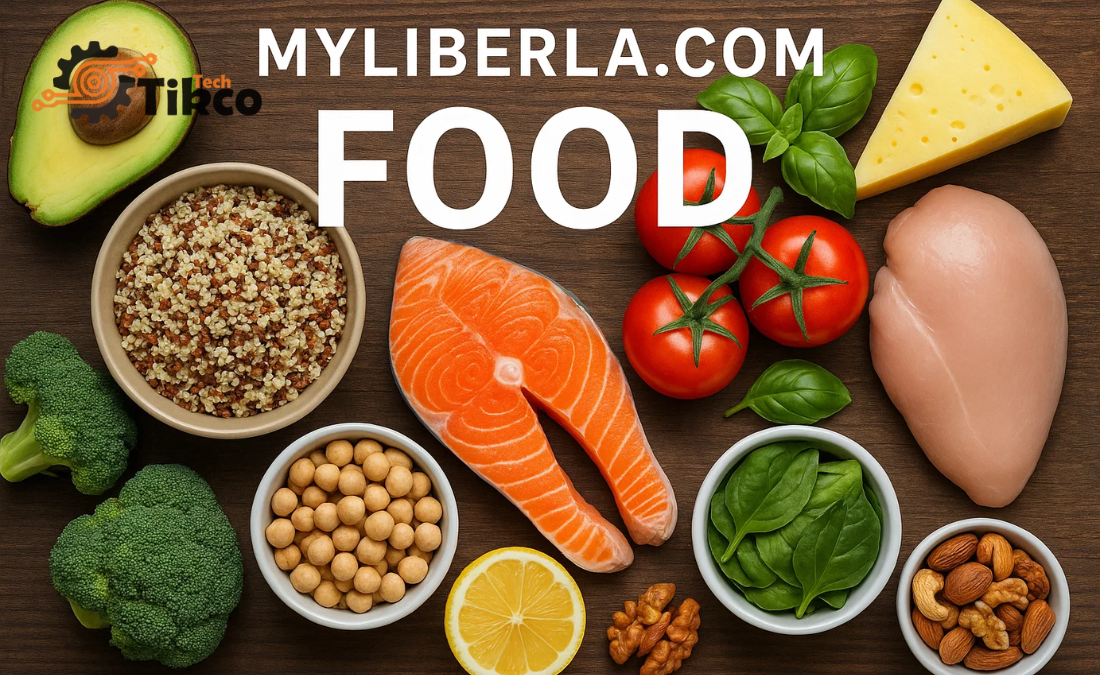
- Fresh vegetables: cucumbers, tomatoes, bell peppers, and carrots provide crunch and vibrant color.
- Aromatic herbs: parsley, cilantro, and mint lend freshness and an appealing fragrance.
- Spices: cumin, paprika, turmeric, or sumac give the dish depth and character.
- Proteins: options include grilled chicken, lamb, beef, or legumes for a vegetarian version.
- Accompaniments: flatbreads, rice, or steamed grains complete the meal and balance flavors.
The combination of fresh vegetables, aromatic herbs, and carefully selected spices makes Yalla Choy both nutritious and satisfying. The ingredients are intentionally versatile, allowing chefs and home cooks to customize the dish according to preference and availability.
Yalla Choy Taste: Why It’s So Irresistible
The appeal of Yalla Choy lies in its complex yet harmonious taste. The dish offers:
- Freshness: crisp vegetables and fresh herbs provide a light, refreshing base.
- Warmth: spices like paprika, cumin, or turmeric create a subtle, earthy heat.
- Richness: proteins or legumes add depth, ensuring the dish is hearty and satisfying.
- Aromatic appeal: the combination of herbs and spices creates a tantalizing fragrance that enhances the overall eating experience.
This layered flavor profile makes Yalla Choy suitable for a wide variety of meals, from casual lunches to celebratory feasts.
Yalla Choy Preparation: Step-by-Step Guide
Preparing Yalla Choy at home is simple and rewarding. Here is a step-by-step guide for an authentic experience:
- Prepare the ingredients: wash and chop vegetables, clean and cut protein into bite-sized pieces, and finely chop herbs.
- Cook the protein: grill or sauté chicken, beef, lamb, or tofu with a mix of spices like paprika, cumin, and black pepper.
- Mix the vegetables and herbs: combine fresh vegetables with chopped parsley, cilantro, and mint. Add a drizzle of olive oil and a squeeze of lemon for flavor.
- Combine: layer cooked protein on top of the fresh vegetable mix, or serve it alongside for flexibility.
- Serve: accompany with flatbread, rice, or steamed grains, and optionally pair with a cup of tea to enhance the traditional experience.
This method preserves the freshness of the vegetables while ensuring that the proteins are flavorful and well-seasoned.
Yalla Choy Cultural Significance: A Dish Beyond Flavor
Food often carries deep cultural significance, and Yalla Choy is no exception. This dish embodies:
- Hospitality: serving Yalla Choy to guests demonstrates warmth and respect.
- Family tradition: recipes are often passed down through generations, preserving culinary heritage.
- Communal dining: Yalla Choy is traditionally shared, highlighting the importance of togetherness.
- Cultural pride: it represents a connection to roots, often enjoyed during festivals, special occasions, or tea-time gatherings.
In this way, Yalla Choy is not just a dish; it is an expression of culture, identity, and community.
Yalla Choy Modern Variations: Reinventing Tradition
Chefs and home cooks are creatively adapting Yalla Choy to suit modern tastes. Popular variations include:
- Fusion versions: incorporating international flavors such as Mediterranean olives, Asian sauces, or Mexican spices.
- Vegan adaptations: using legumes, tofu, or tempeh as protein alternatives.
- Gourmet plating: garnishing with nuts, microgreens, or exotic sauces for an upscale presentation.
- Quick versions: simplifying preparation for busy households without compromising flavor.
These innovations ensure Yalla Choy remains appealing to contemporary palates while respecting its traditional essence.
Yalla Choy Health Benefits: Nutritious and Wholesome
Beyond its taste, Yalla Choy is a healthy dish. Its benefits include:
- Rich in vitamins: fresh vegetables provide essential vitamins A, C, and K.
- High in fiber: vegetables, grains, and legumes aid digestion and overall gut health.
- Protein-packed: meat, legumes, or plant-based proteins promote satiety and muscle health.
- Low in processed ingredients: traditionally, Yalla Choy relies on natural, fresh ingredients rather than artificial additives.
Its balance of protein, vegetables, and grains makes it a wholesome option for everyday meals or special occasions.
Yalla Choy Pairings: Perfect Complements
To elevate the dining experience, Yalla Choy is often paired with complementary dishes and beverages:
- Drinks: traditional teas, herbal infusions, or light wines.
- Sides: flatbreads, rice pilaf, roasted vegetables, or yogurt-based dips.
- Garnishes: lemon wedges, fresh herbs, or pickled vegetables enhance flavor complexity.
These pairings bring out the best in Yalla Choy, highlighting its aroma, freshness, and layered taste.
Yalla Choy Popularity: A Growing Culinary Trend
The popularity of Yalla Choy has been steadily increasing for several reasons:
- Delicious flavor: its unique taste and aroma appeal to diverse palates.
- Versatility: it can be customized for vegan, vegetarian, or meat-based diets.
- Cultural intrigue: food enthusiasts are drawn to dishes with rich histories and traditions.
- Ease of preparation: it is accessible for both home cooks and professional chefs.
Restaurants, cafes, and online recipe platforms are increasingly featuring Yalla Choy, further spreading its appeal.
Conclusion: Yalla Choy as a Culinary Treasure
In conclusion, Yalla Choy is far more than a flavorful meal—it is a culinary experience that blends tradition, culture, and modern creativity. From its Middle Eastern and Central Asian origins to its contemporary adaptations, Yalla Choy offers a balance of freshness, spices, and protein that is both satisfying and nutritious. Its cultural significance as a dish of hospitality, family tradition, and communal sharing elevates it beyond taste alone.
For food enthusiasts seeking a dish that is vibrant, aromatic, and full of history, Yalla Choy represents a treasure worth exploring. Whether enjoyed at home, in cafes, or during festive celebrations, this delightful dish continues to win hearts and taste buds worldwide.